Modern supply chains depend heavily on land-based cargo movement, yet few companies truly understand the strategic differences between its three core modes. While most logistics decisions still default to trucking, the smartest operators are increasingly mixing road, rail, and pipeline solutions to balance cost, speed, reliability, and environmental goals. In today’s volatile market — marked by driver shortages, rising fuel costs, and decarbonization pressure — choosing the right ground freight method has become a genuine competitive advantage.
Road Transportation: Maximum Flexibility at a Growing Cost
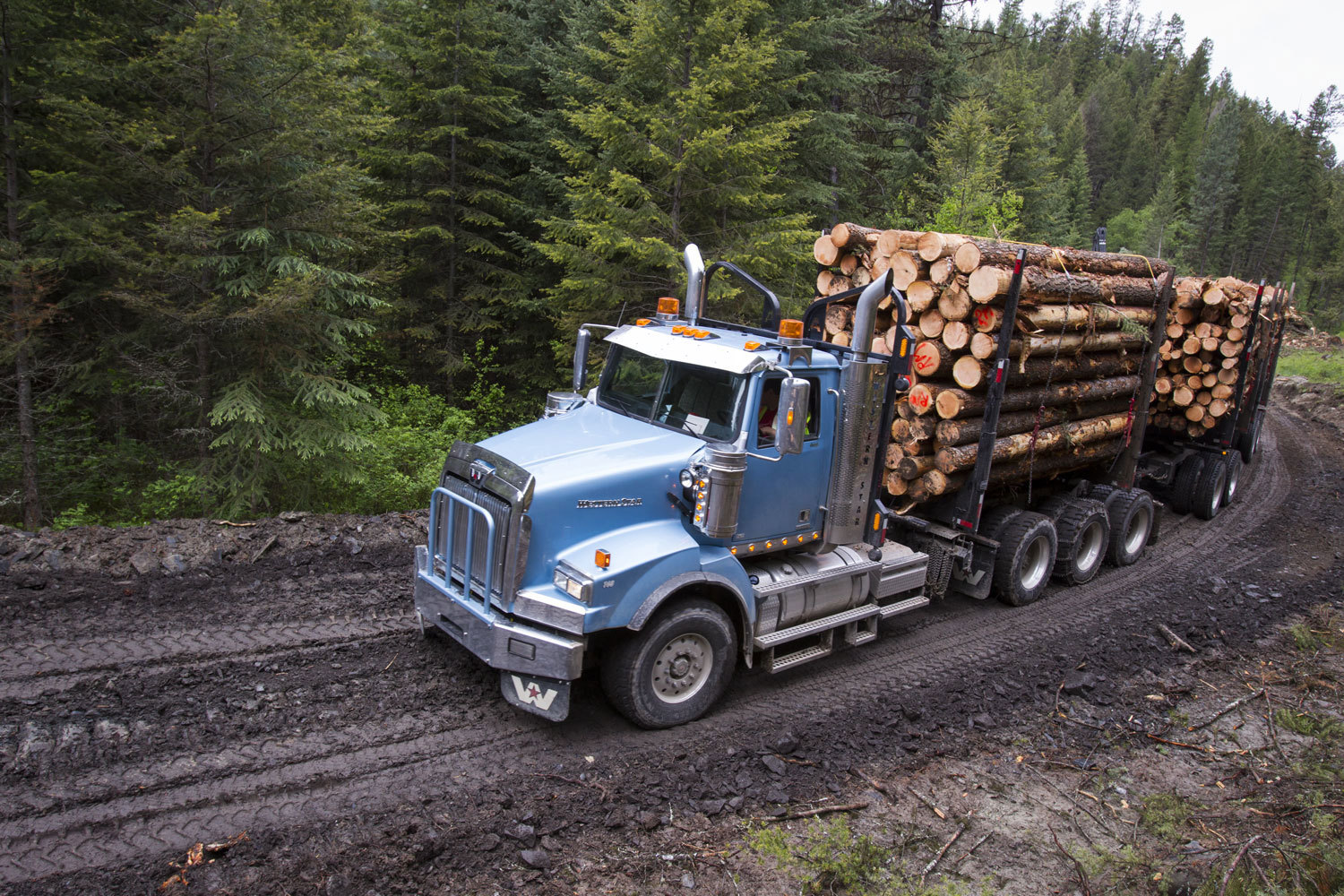
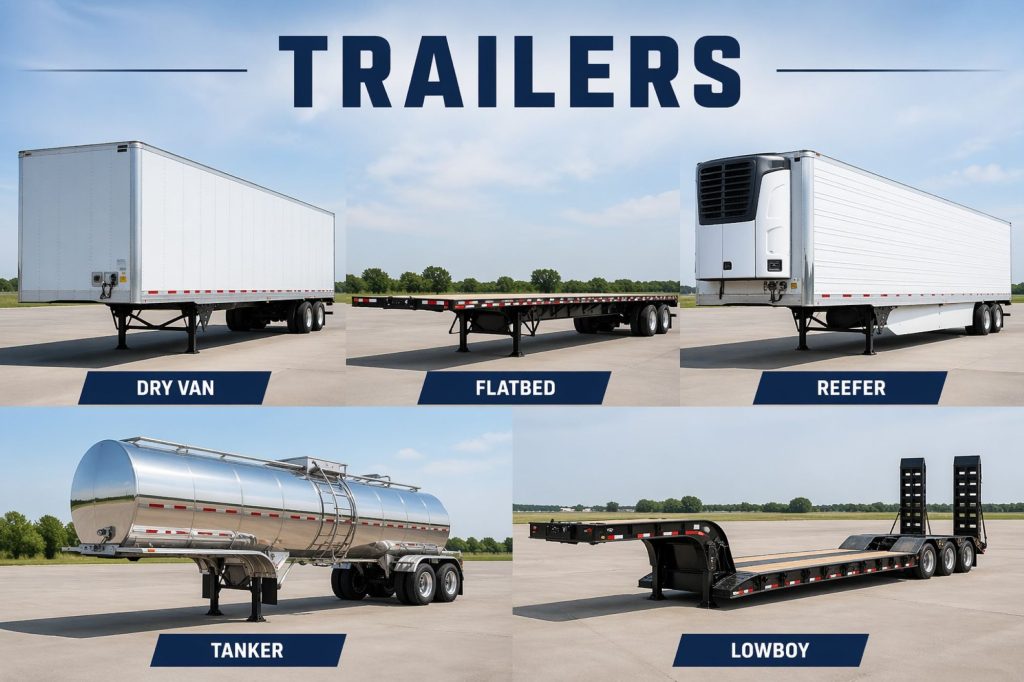
Trucking remains the most adaptable form of ground freight because it delivers goods directly from factory to warehouse or store without intermediate handling. This door-to-door capability makes it indispensable for time-sensitive, high-value, or perishable cargo. Within road transport, companies typically choose between full truckload (FTL) for large dedicated shipments and less-than-truckload (LTL) for smaller consolidated loads. Specialized equipment further expands options: refrigerated trailers protect food and pharmaceuticals, flatbeds handle oversized machinery, and tankers move liquids safely.
However, the apparent simplicity of trucking hides significant challenges in 2026. Chronic driver shortages continue to push wages higher, while stricter hours-of-service regulations and urban access restrictions slow deliveries. Last-mile operations in cities have become particularly expensive. Many shippers now treat road transport as a premium option rather than a default choice, reserving it for urgent or high-margin goods while shifting bulk volumes to other modes whenever possible.
Rail Freight: The Efficiency Champion for Bulk and Long-Haul
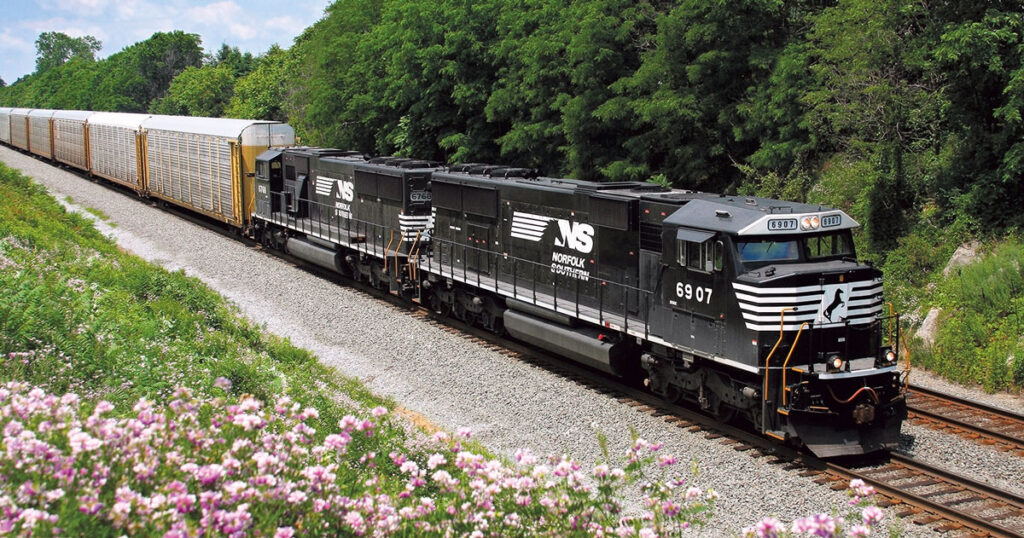
Rail excels when large volumes need to travel long distances at the lowest possible cost per ton. A single freight train can replace hundreds of trucks, dramatically reducing fuel consumption and road congestion. This makes rail especially attractive for commodities such as grain, coal, chemicals, steel, and consumer goods moving in containers.
The real strength of rail today lies in intermodal services. Standardized containers move seamlessly between ships, trains, and trucks, combining the long-haul economy of rail with the flexibility of road at both ends. Modern rail operators have invested heavily in faster schedules, double-stack trains, and digital tracking, making rail competitive even on routes previously considered too time-sensitive.
The main limitation remains access. Not every origin or destination has a rail connection, and transit times are generally longer than direct trucking. Companies that successfully use rail usually plan shipments further in advance and accept slightly longer lead times in exchange for substantial cost savings and lower emissions.
Pipeline Transportation: Invisible but Critical Infrastructure
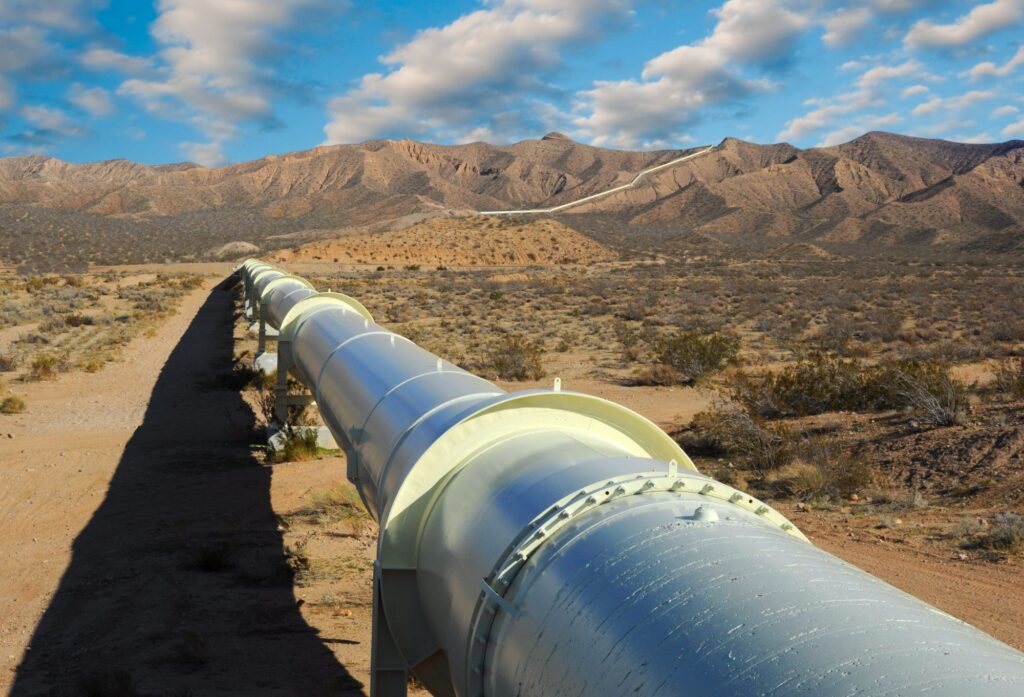
Pipelines represent the most specialized and often overlooked mode of ground freight. They move crude oil, refined petroleum products, natural gas, and certain chemicals continuously through underground networks with minimal labor and extremely low operating costs once built. Because product flows without repeated loading and unloading, pipelines offer unmatched safety and efficiency for suitable commodities.
The strategic value of pipelines has increased in recent years due to energy security concerns and the need for stable, low-emission transport of fuels. However, they require enormous upfront investment and fixed routes, making them suitable only for high-volume, predictable flows between specific points. They cannot serve general cargo or respond quickly to changing demand patterns.
For companies in the energy sector, pipelines often form the backbone of their logistics strategy, while other industries rarely interact with them directly.
Intermodal and Hybrid Approaches: The Real 2026 Advantage
The most sophisticated logistics strategies no longer treat road, rail, and pipeline as competing options. Instead, leading companies combine them. A typical optimized route might use rail for the long middle leg, trucks for pickup and final delivery, and pipelines where energy products are involved. This hybrid approach often delivers the best balance of cost, speed, and resilience.
Digital tools now make these combinations much easier to manage. Real-time visibility platforms, automated booking systems, and AI-powered mode selection help shippers evaluate dozens of routing options in seconds. The companies gaining the biggest advantage are those willing to move away from single-mode habits and design true multimodal networks.
Sustainability and Technology Are Reshaping Every Mode
Environmental regulations and corporate ESG goals are accelerating change across all ground freight modes. Electric and hydrogen trucks are entering commercial fleets, rail operators are testing battery-electric and hybrid locomotives, and pipeline companies are exploring ways to transport hydrogen and captured carbon. At the same time, aging infrastructure and labor constraints are pushing automation — from autonomous trucks on dedicated routes to fully automated rail terminals.
These shifts mean that the “best” mode today may not remain the best in three or five years. Forward-thinking businesses regularly reassess their ground freight mix rather than locking into long-term single-mode contracts.
How to Choose the Right Ground Freight Strategy
Instead of defaulting to trucking, ask these practical questions:
- How time-sensitive is the shipment?
- What is the total landed cost, including hidden expenses like inventory holding and potential delays?
- What are the emissions targets for this supply chain?
- How resilient does the route need to be against disruptions?
Answering these questions honestly usually reveals opportunities to shift at least part of the volume away from pure road transport toward rail or hybrid solutions.
Ground freight will remain the foundation of most supply chains for decades to come. The companies that treat road, rail, and pipeline as complementary tools rather than interchangeable options will achieve lower costs, better reliability, and stronger sustainability performance in the years ahead.